
Optimizing Your Creative Impact
A Guide for Smart Creators to Maximize Results with Minimal Effort

The Action Priority Matrix (APM) is a decision-making tool used to prioritize tasks or actions based on their impact and the effort required to complete them. It is one of the many effective tools available that helps you maximize impact while minimizing effort.
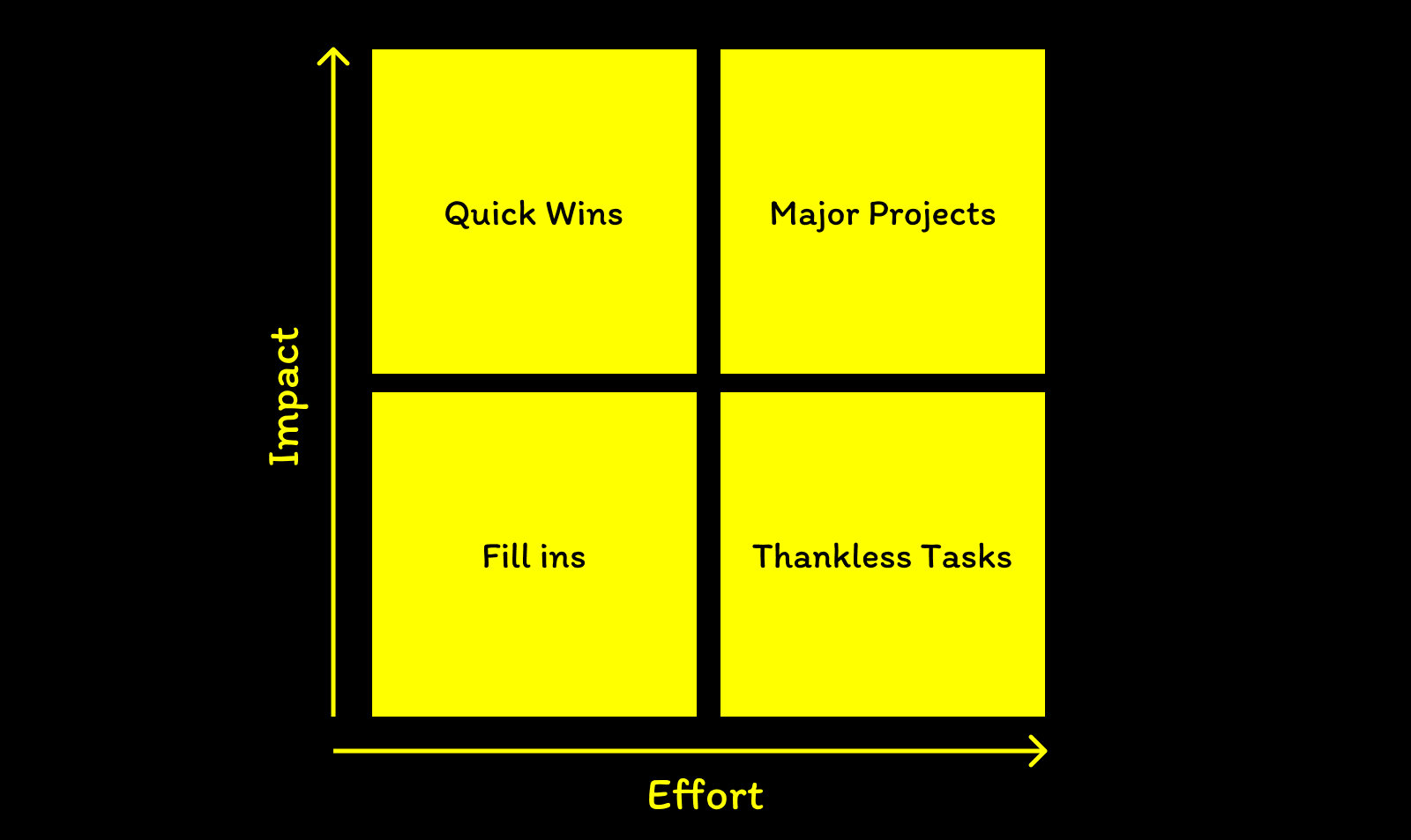
Image: The Action Priority Matrix
Impact refers to the positive effect or benefit that a particular task or action can have on achieving goals. Effort is the counterweight to impact, encompassing money, time, or energy. By using APM, you can theoretically always prioritize the tasks that offer the highest return on investment for the effort you spend.
Remember, your best outcome is only as good as your best alternative.
However, defining effort and impact is not straightforward. These are not inherent variables within any given project or organization; they need to be defined by someone. Let's start with an example.
Imagine you are a content creator aiming to gain as many subscribers to your newsletter as possible. Before you start writing, you should consider your alternatives for reaching that goal. Remember, your best outcome is only as good as your best alternative.
Initial Example
Alternative A:
Write blog post A
Impact: 45,000 (Audience)
Alternative B:
Write blog post B
Impact: 75,000 (Audience)
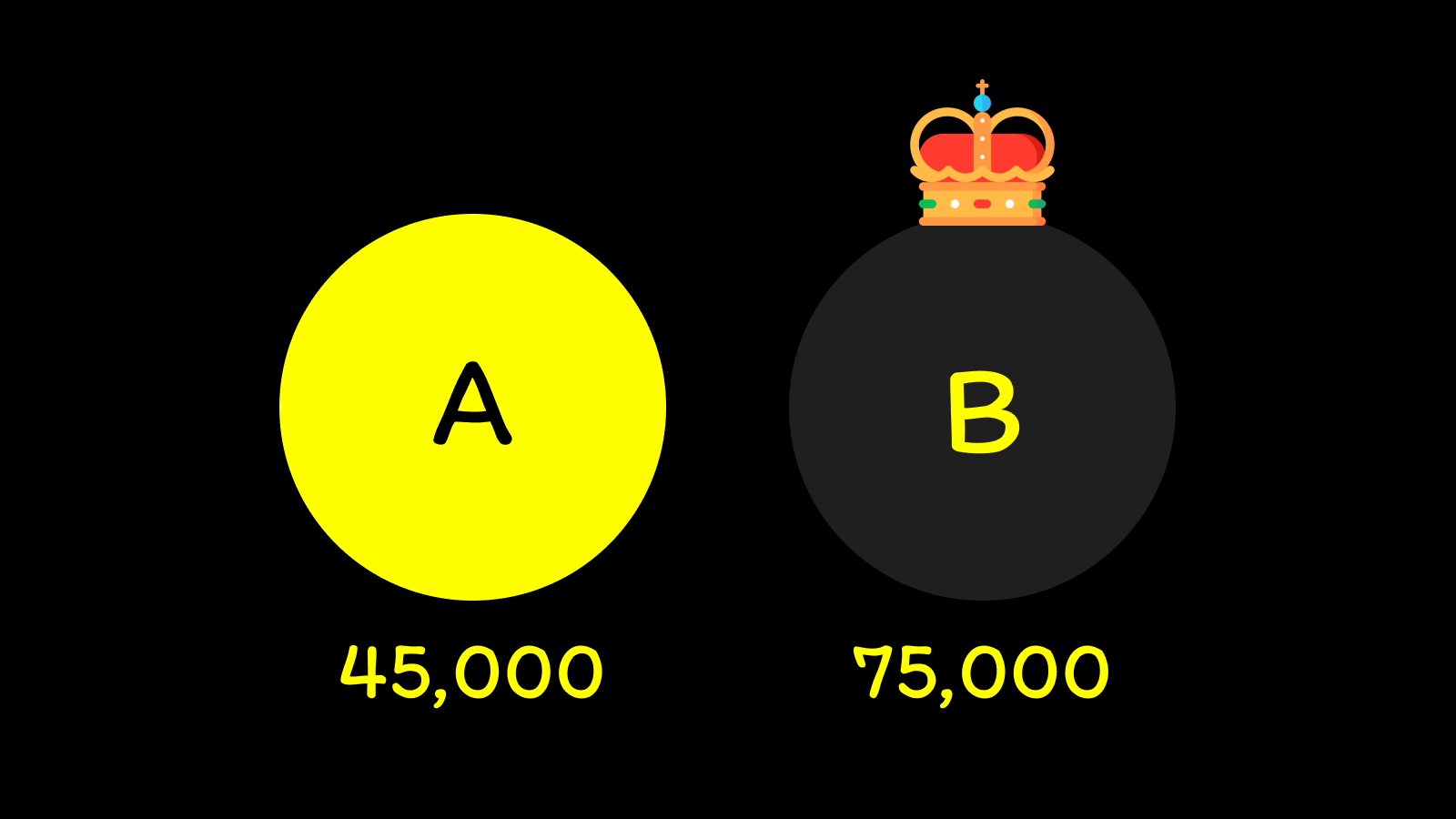
Here, audience size is defined as the impact. It's easy to identify that alternative A has a larger audience and, therefore, a greater impact. But reality is rarely this simple; more factors must be considered. Let’s expand the example by adding the counterweight to impact, which is effort.
Alternative A:
Write blog post A
Impact: 45,000 (Audience)
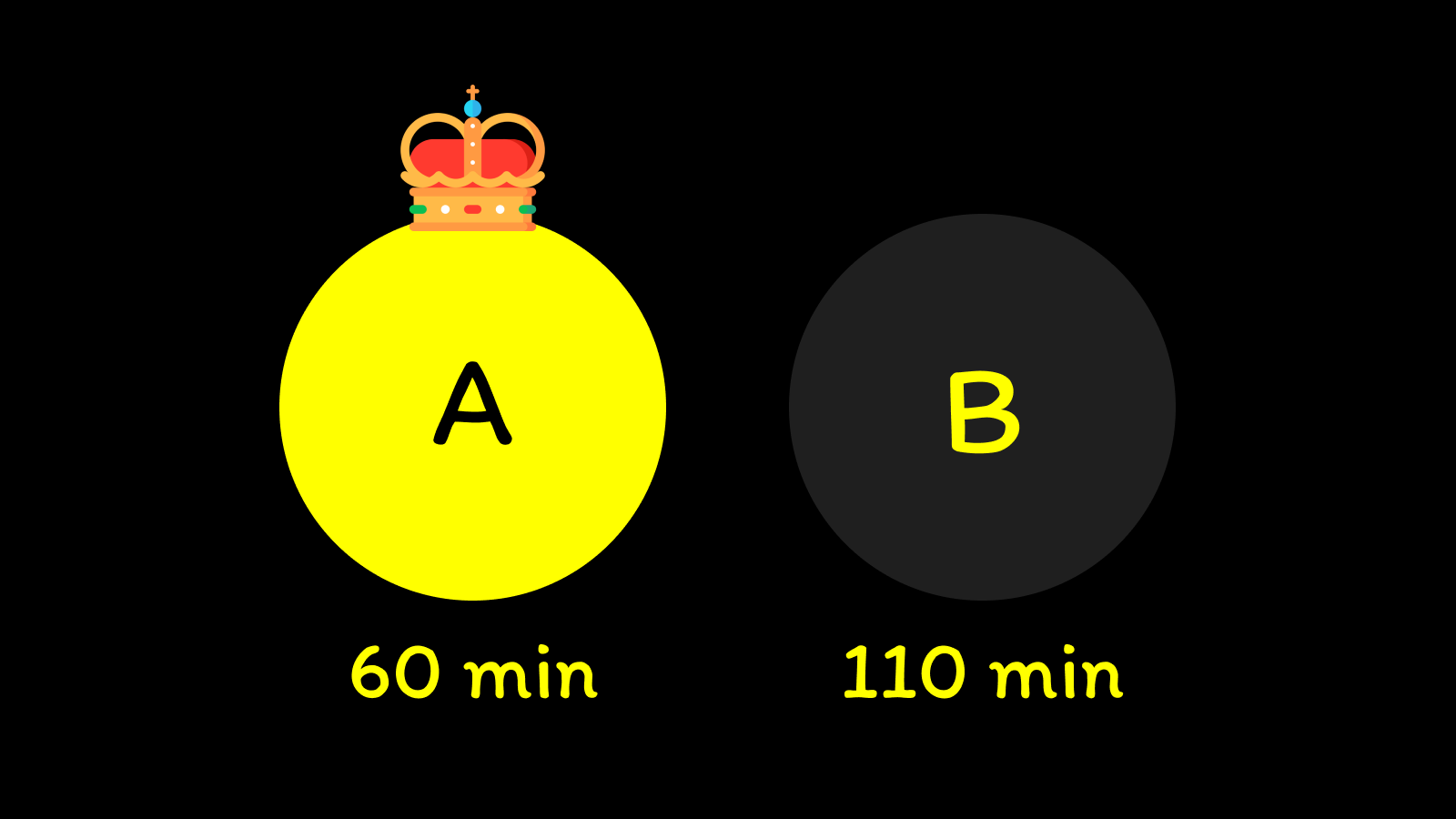
Effort: 60 min (Time to write)
Alternative B:
Write blog post B
Impact: 75,000 (Audience)
Effort: 110 min (Time to write)
We have decided to use "time to write" as our measure of effort. Now, the choice isn’t as straightforward. How do we choose which blog post to write? We can use a simple formula: Impact / Effort. This formula gives us an idea of where we get the most bang for our buck.
Impact/Effort Calculation
Alternative A:
Write blog post A
Impact: 45,000 (Audience)
Effort: 60 min (Time to write)
Impact / Effort: 750 (winner!)
Alternative B:
Write blog post B
Impact: 75,000 (Audience)
Effort: 110 min (Time to write)
Impact / Effort: ~682
Suddenly, alternative A looks much better than alternative B. This is a simple example using only a single value to define impact and effort (audience reach vs. time to write).
But let’s take this further. Suppose your newsletter is about the progress of your lawn mower simulation game you're developing for Steam. The two blog posts you are choosing between have slightly different topics:
Alternative A:
Write blog post A
Impact: 45,000 (Audience)
Effort: 60 min (Time to write)
Impact / Effort: 750
Topic: Block Ads for Your Entire Home Network with a Raspberry Pi
Alternative B:
Write blog post B
Impact: 75,000 (Audience)
Effort: 110 min (Time to write)
Impact / Effort: ~682
Topic: How Financially Viable Is Indie Game Development
Both of these are interesting topics for most of your readers, but the relevance of the topic correlates with the conversion rate of what you are trying to get people to sign up for. You wouldn't expect a high conversion rate for a newsletter about cars on a blog post about horses.
Adding Relevance
Alternative A:
Write blog post A
Impact: 45,000 (Audience)
Effort: 60 min (Time to write)
Impact / Effort: 750
Topic: Block Ads for Your Entire Home Network with a Raspberry Pi
Relevance: 6/10
Alternative B:
Write blog post B
Impact: 75,000 (Audience)
Effort: 110 min (Time to write)
Impact / Effort: ~682
Topic: How Financially Viable Is Indie Game Development
Relevance: 9/10
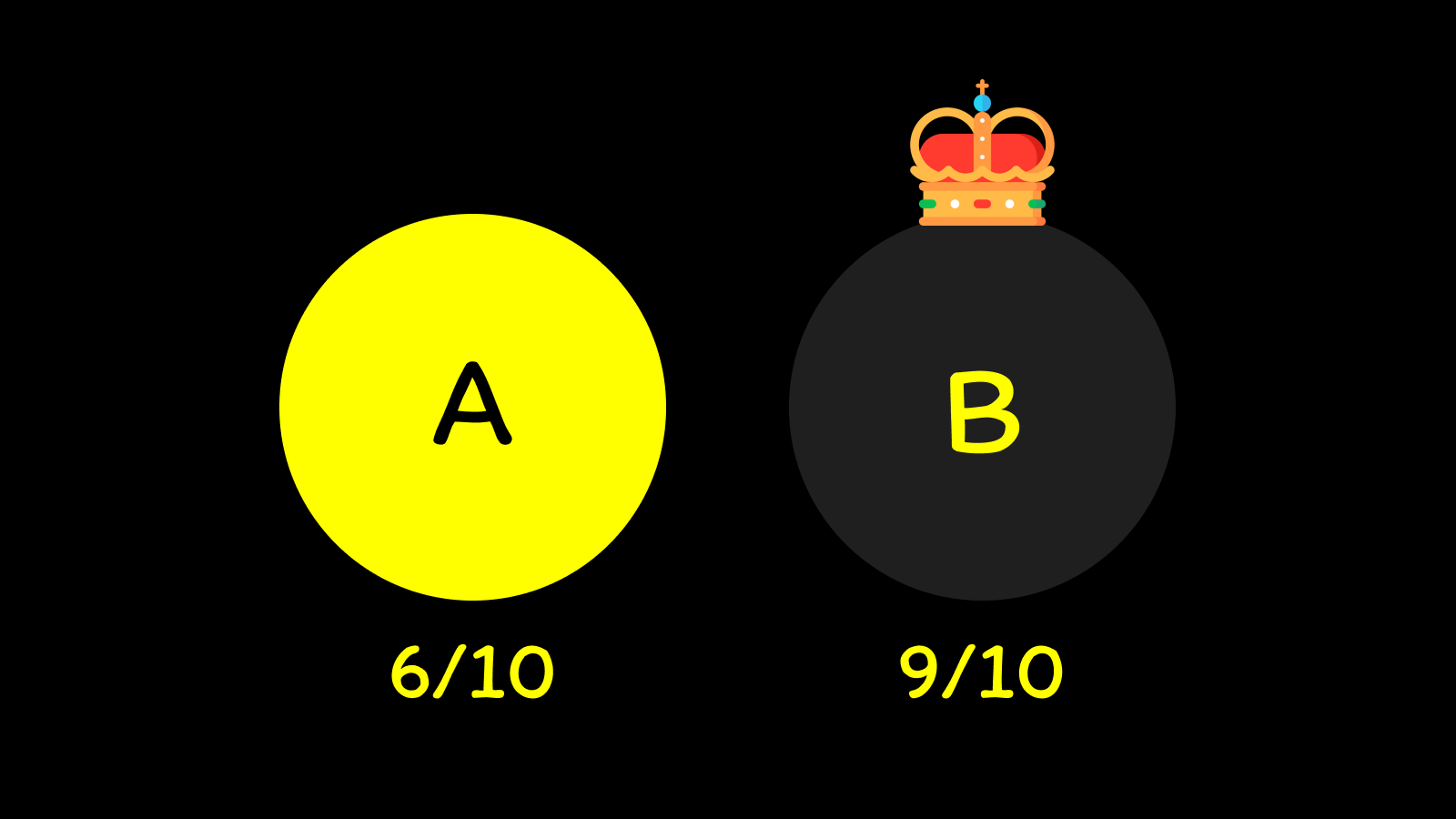
To incorporate this new metric called relevance into our formula, we multiply the final values by the relevance score:
Final Scoring
Alternative A:
Impact / Effort: 750
Relevance: 6/10 → Scale as 1.2
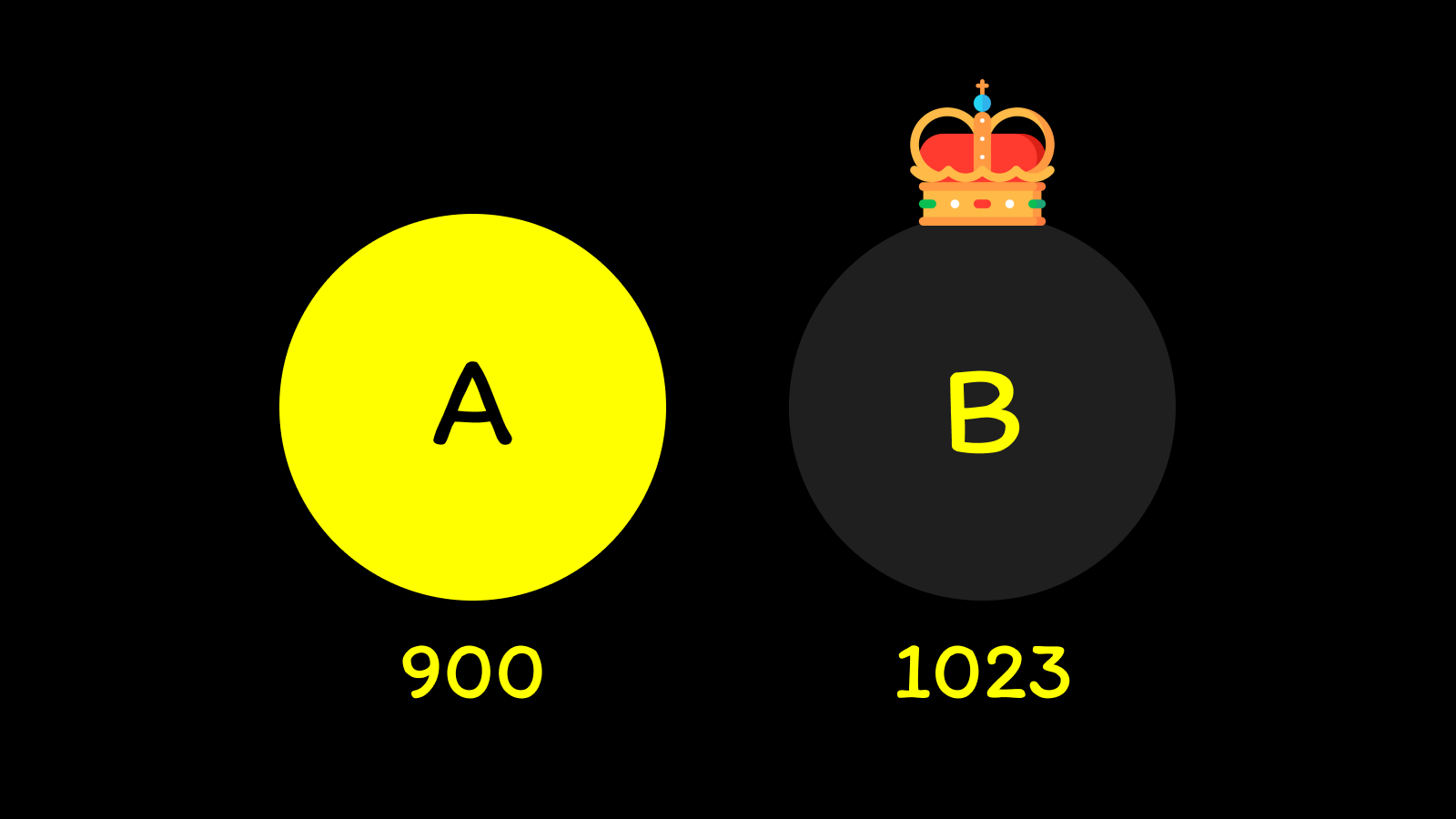
Final Score: 750 × 1.2 = 900
Alternative B:
Impact / Effort: ~682
Relevance: 9/10 → Scale as 1.5
Final Score: 682 × 1.5 = 1023 (winner!)
Conclusion
The goal is impact optimization, and the best player wins when resources are divided equally.
While the Action Priority Matrix provides valuable visual aid, it can significantly assist decision-making, especially when involving multiple stakeholders. However, it is crucial to define what impact and effort mean. Effort is easier to quantify as it usually involves time, money, or resources. Impact is more complex, involving various values that need consideration.
The example we used is not the ultimate way to prioritize content, but it's better than guessing. The goal is impact optimization, and the best player wins when resources are divided equally.